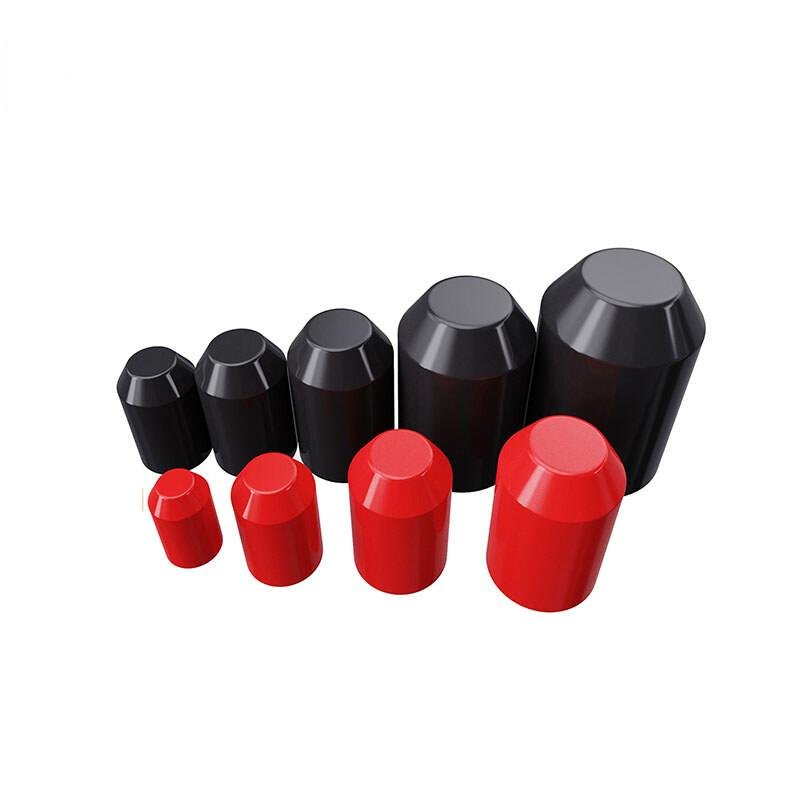
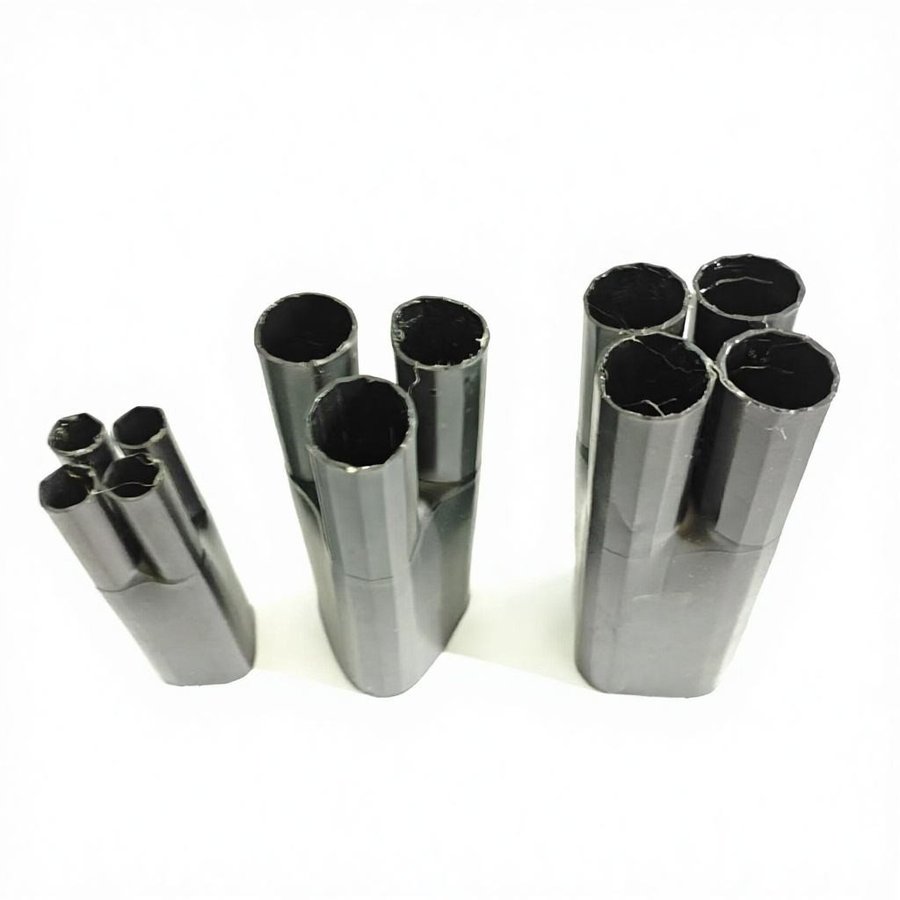
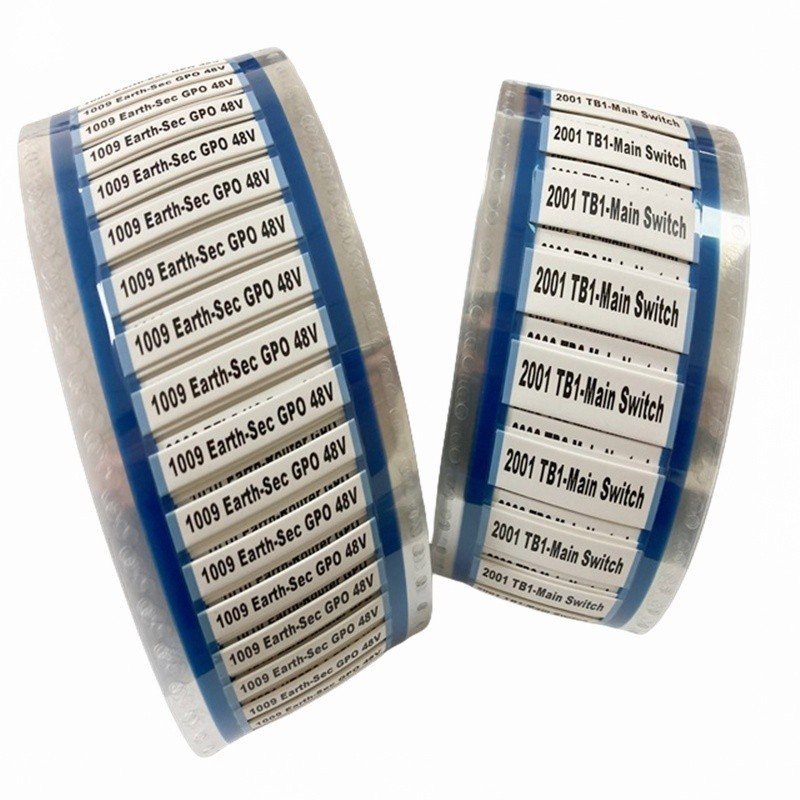
Pre-formed protective boots that cover connector and lug profiles. Molded to match the shape of the part underneath.
| Standards | ISO 9001, GB/T 12706, Test reports |
|---|
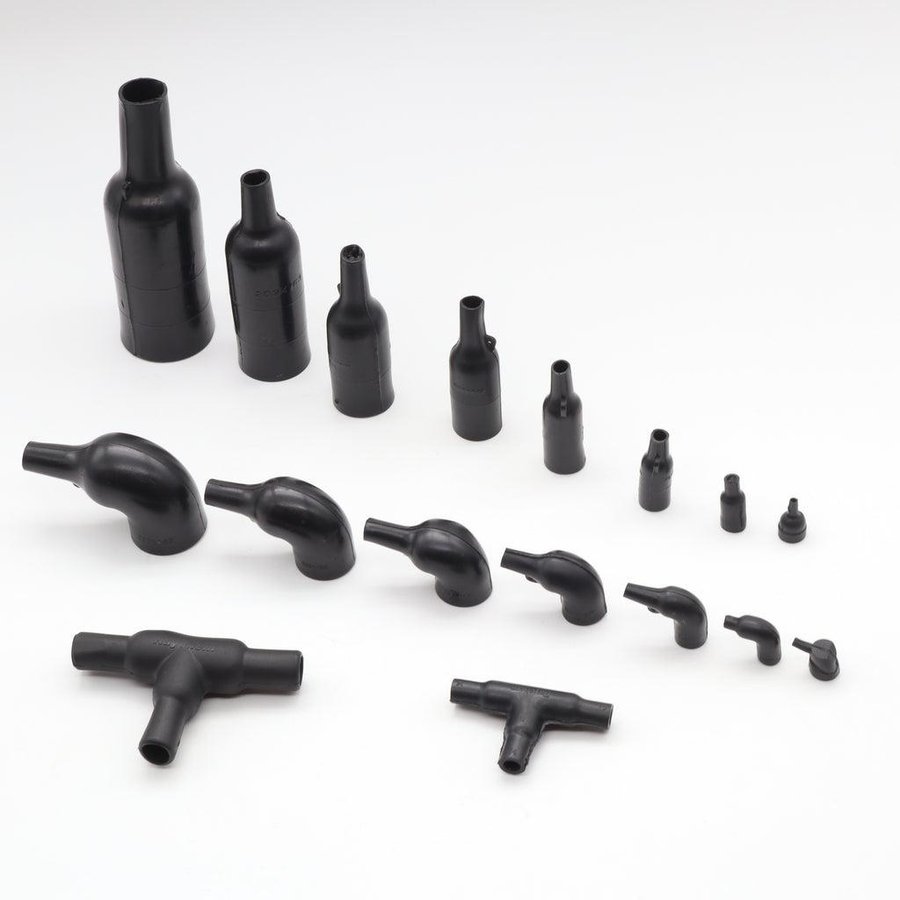
Molded boots are pre-formed protective covers manufactured in the shape of the component they protect. Unlike round tubing, a molded boot follows the outline of a connector, lug or joint, covering bolts, flat contact areas and cable exits in one piece. Once installed, the boot insulates the covered part and shields it from moisture, dust and accidental contact.
Boots are custom items at ZZ: we mold protection covers to customer requirements, in the same way we produce busbar joint protection boxes to order. Materials include EPDM and silicone rubber for outdoor and high-temperature service, and radiation-crosslinked polyolefin where heat shrink installation is preferred. Send us the connector profile or a dimensional drawing and our engineering team will propose a molded solution.
| Parameter | Typical value |
|---|---|
| Form | Pre-molded shaped boot |
| Material options | EPDM / silicone rubber / crosslinked polyolefin |
| Covered parts | Connectors, lugs, bolted joints, busbar joints |
| Continuous use temperature | -40 to +105 °C (polyolefin grade) |
| Color | Black standard; red, yellow, green for phase identification |
| Sizing | Molded to customer drawing or connector profile |
| Quality system | ISO 9001 |
Standard color: black. Custom colors available — contact our sales team.
Cover bolted busbar and lug joints in panels where shrink tubing cannot follow the joint shape.
EPDM or silicone boots shed water and protect connector profiles in outdoor equipment.
Order shaped boots individually for maintenance without buying a complete accessory kit.
Still deciding? Contact our engineers.
Heat shrink tubing rarely fails in service when it's the right product, correctly installed.…
Solar installations push cable protection harder than most environments. DC strings on a rooftop…
Insulated busbars let you build smaller switchgear. Instead of relying on air clearances between…
Tell us your cable size, voltage and environment. We reply within one business day.
Request a Quote